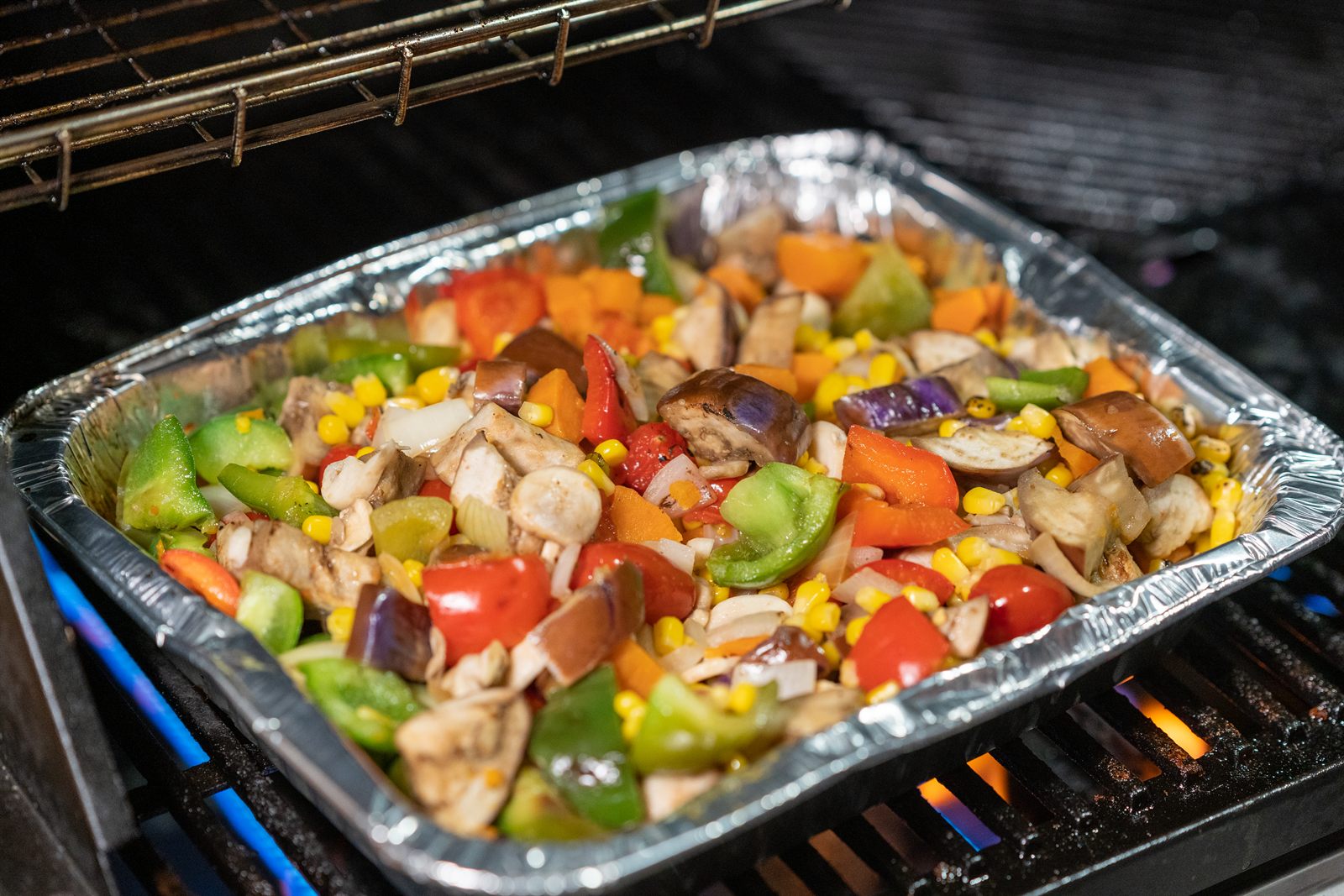
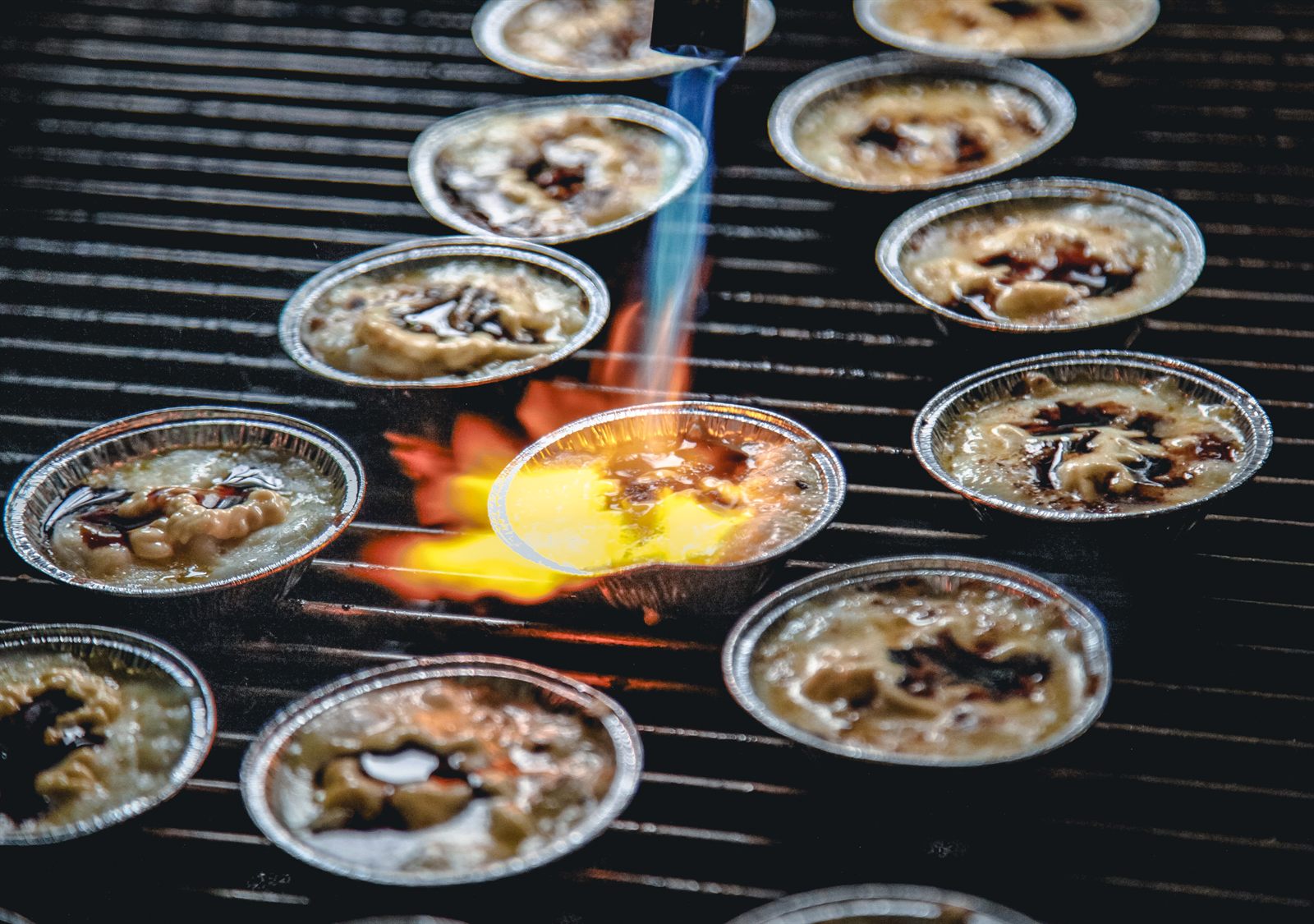
Omakase BBQ brings a chef-led dinner to your home or private venue. You share your budget and preferences, and we help plan the menu and cook it at the event.
At its simplest, an omakase BBQ is a chef-led BBQ where the menu, pacing, and live grill sit with the chef.
The host shares the budget, guest count, venue, and preferences. The chef shapes the agreed menu and onsite grilling within the quotation.
This guide explains where the word comes from, how an omakase BBQ differs from a standard food order or a chef-led add-on, who it suits, and what to expect from the evening itself before asking for a quote.
Quick answer: what an omakase BBQ actually is
A chef-led BBQ where the menu, pacing, and live grill all sit with the chef.
An omakase BBQ is a chef-led BBQ where the host shares the budget, guest count, venue, and preferences.
The chef shapes the agreed menu, onsite grilling, and serving pace within the quotation.
It is closer to a chef's table at home than to host-managed grilling or a buffet-style spread.
With Sunday Roast, an omakase BBQ is built on a Sunday Roast food order. The chef leads the live grill on the night, the menu moves in waves, and the host stays at the table with guests instead of standing beside the fire.
Where the word "omakase" comes from
Omakase is a Japanese phrase that translates roughly as "I'll leave it to you."
In Japanese restaurants, it usually means letting the chef choose the menu instead of ordering from a list.
The diner trusts the chef to read the room and serve what fits.
Applied to BBQ catering in Singapore, the spirit is similar.
Instead of confirming every cut, side, and timing in advance, the host shares enough context for the chef to shape the meal.
Budget, guest count, dietary notes, venue setup, and tone are usually enough for the chef to plan the menu and grill flow.
How an omakase BBQ differs from a standard BBQ order
A standard BBQ catering order is built around the menu the host picks.
Sunday Roast supplies raw BBQ food. For a standard order, the host or venue team cooks it onsite; for omakase, a Sunday Roast chef cooks it onsite with the food order.
Omakase changes the centre of gravity.
The host stops choosing dishes one by one and starts trusting the chef to compose the menu.
The chef handles the grill while you spend time with your guests.
The meal becomes a sequence through the evening rather than a single buffet moment.
- Menu: standard order is host-picked from a fixed menu; omakase is chef-shaped to the event details.
- Live cooking: standard order leans on the host or venue team; omakase places the live grill with the chef.
- Pacing: standard order tends to land as one or two big serves; omakase moves in waves across the evening.
- Host role: standard order keeps the host close to the grill; omakase frees the host to stay with guests.
- Best for: standard order suits casual gatherings and tighter budgets; omakase suits hosted dinners where the meal is the event.
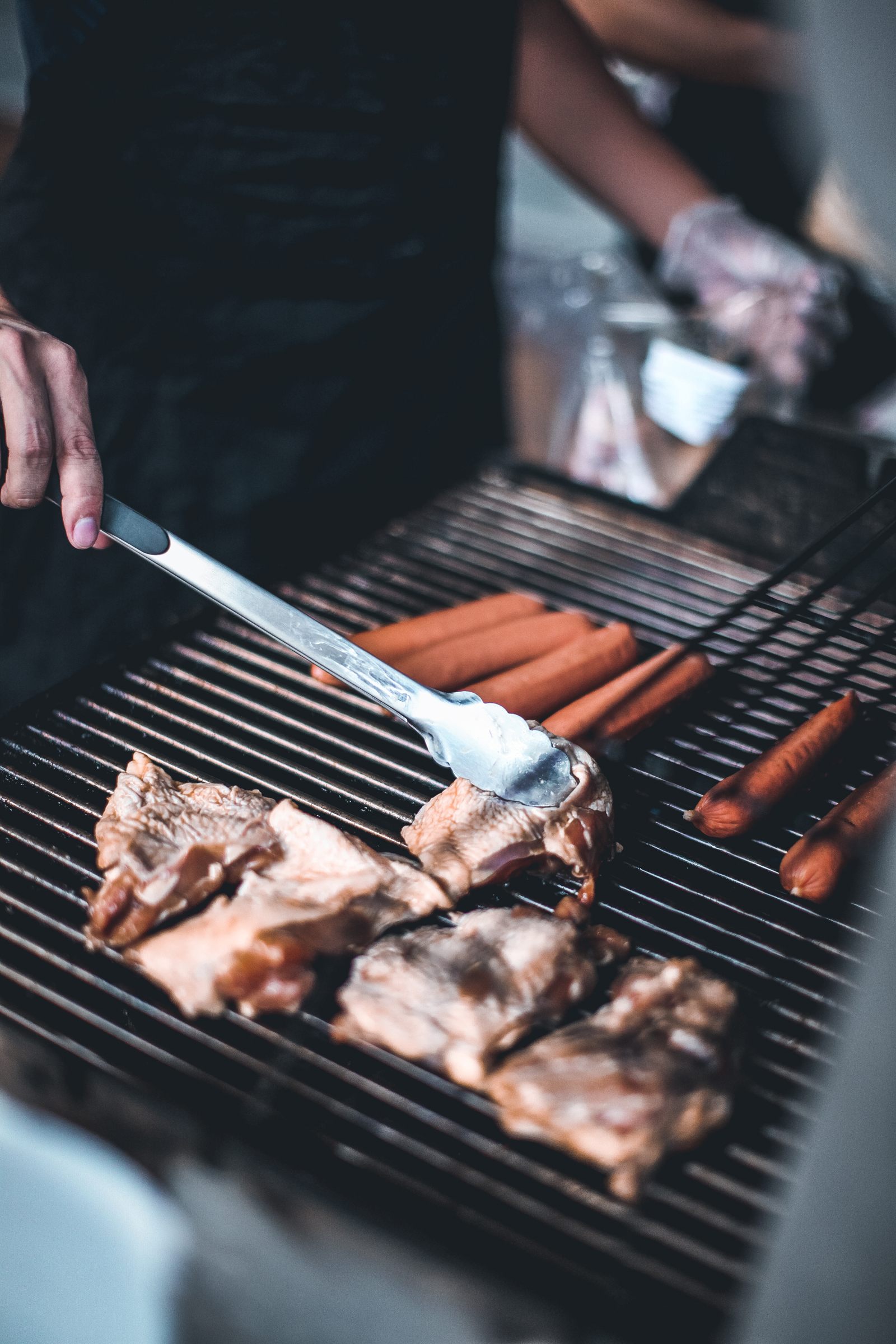
How omakase differs from a chef-led BBQ add-on
Sunday Roast also offers a chef-led BBQ add-on for hosts who already know the menu they want and only need a chef to handle the live grill. That sounds similar to omakase on paper, but the planning conversation is different.
With a chef-led add-on, the menu is the host's call.
The chef takes over the grill, doneness, and timing of the food order.
With omakase, the chef shapes the menu itself: cuts, sides, sequence, and how the night flows.
With the chef-led add-on, you choose the food and we cook it. With Omakase, we also help plan the menu.
Who omakase BBQ suits best
Omakase works best when the meal is the event. That usually means smaller, hosted private gatherings where guests sit close to the grill and the chef's pacing changes the feel of the evening.
It is less useful for casual gatherings where a generous spread is more important than a chef-led sequence, and for very large events where the guest count outpaces what a single live grill can pace cleanly.
- Hosted home dinners where the host wants to stay with the table.
- Milestone birthdays where the meal is part of the celebration.
- Premium private gatherings, anniversaries, and small family celebrations.
- Smaller corporate or client dinners where pacing and presentation matter.
- The Omakase planner covers 10 to 30 guests; the final setup depends on your venue and menu.
What to expect on the night of an omakase BBQ
An omakase BBQ tends to feel less like "food has arrived" and more like a chef-led tasting.
The grill is set up where guests can see and gather around it.
The chef leads the live cooking, plates cuts as they finish, and paces the meal around the room.
For Sunday Roast, the rhythm is shaped by the tier the host picks.
Starter paces chicken and ribeye; Premium adds bratwurst, bone-in ribeye, and lamb chops.
Insider brings seafood and premium beef onto the same grill, with the chef sequencing the cuts through the evening.
- The live grill is set up only in an approved onsite cooking area, subject to venue rules and access.
- Cuts finish in front of guests instead of in a kitchen, paced through the evening.
- The host stays with guests; doneness, timing, and grill rhythm sit with the chef.
- Menu is shaped to the tier the host chose, with dietary and preference notes folded in.
- Service flow is built so the host can be in the room, at the table, or making a toast.
What to send before asking for an omakase BBQ quote
An omakase quote gets faster and more useful when the chef has the basics up front. Lead with the event context, not the menu, because the menu is the part the chef will compose for you.
Availability depends on the date, venue, menu, and onsite setup. Ask early for weekends and public holidays, and wait for confirmation before planning around the service.
- Event date, meal time, and the kind of evening you want (hosted dinner, milestone celebration, smaller private gathering).
- Estimated guest count and adult-child split.
- Venue setup: home, condo, rooftop, function room, or private dining room.
- Dietary notes, allergies, and any halal, vegetarian, or food preferences.
- Likes and dislikes the chef should know about before the menu is shaped.
- Per-person tier you're considering (Starter, Premium, or Insider) and your rough budget range.